

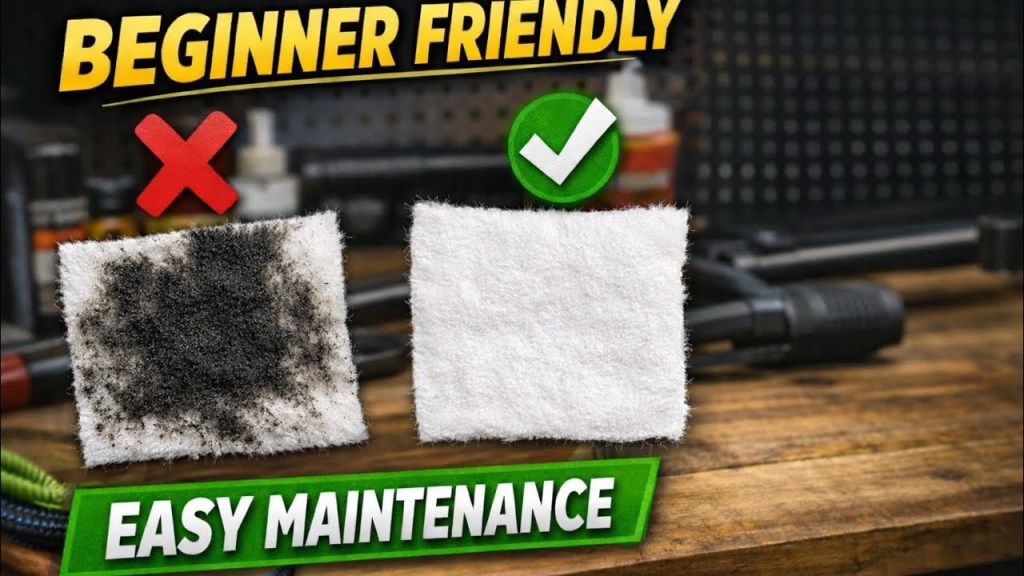
Ever had your airgun go from laser beam… to shotgun mode?
One day you’re stacking pellets into a tight little cluster. The next? Your target looks like modern art. Most shooters assume something is broken. Maybe the scope failed. Maybe the gun is worn out. Maybe it’s time to buy a new one.
In reality, most airgun accuracy problems aren’t mechanical — they’re maintenance.
Before you replace parts or start shopping for a new rifle, try these five simple steps. Whether you shoot a spring-piston air rifle, CO₂ pistol, or PCP rifle, this routine takes less than 10 minutes and requires almost no tools.
First: A Quick Safety Check
Before doing anything:
Make sure the airgun is unloaded Ensure it’s uncocked Keep it pointed in a safe direction
Specific reminders by type:
CO₂ guns: Remove the cartridge. PCP rifles: Check the pressure gauge. Spring-piston guns: Never dry fire them unless the manufacturer explicitly says it’s safe. Dry firing a springer can damage internal seals.
Now let’s fix that accuracy.
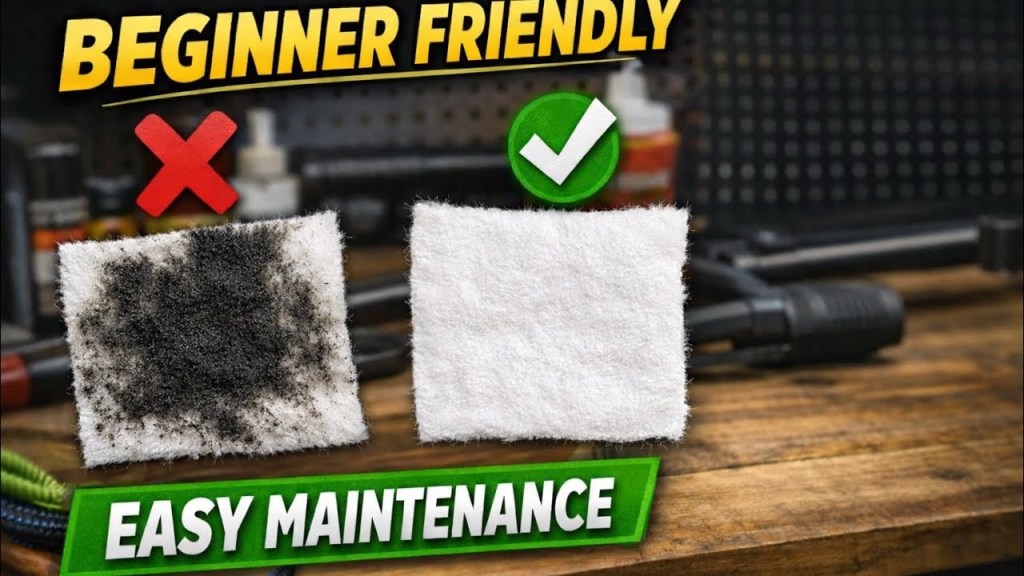
1. Clean the Barrel (The Accuracy Reset Button)
If you only do one thing from this article — clean your barrel.
Airguns shoot soft lead pellets. Over time, lead fouling builds up inside the bore. When that buildup gets heavy, accuracy drops fast.
The Right Way to Clean It
Avoid standard firearm solvents. Airguns use seals that don’t respond well to harsh chemicals. Instead:
Use an airgun-safe pull-through cleaning cord Clean from breech to muzzle Run a few dry patches through Finish with one very lightly oiled patch
And when we say lightly oiled — we mean barely there.
Too much oil in a spring-piston gun can cause dieseling, which is a small combustion event inside the compression chamber. Tiny explosions inside your gun are not ideal for longevity.
Clean barrel. Tight groups. It’s that simple.
2. Wipe It Down (Rust Is Sneaky)
You know what ruins more airguns than shooting?
Sweat.
Your hands leave oils and moisture on metal surfaces, especially blued steel. Over time, that turns into rust.
After each shooting session:
Wipe down metal parts with a lightly oiled cloth Use silicone oil around seal areas If you have a wood stock, condition it occasionally — treat it like furniture, not yard equipment
This two-minute habit can add years to your airgun’s life.
3. Tighten Screws (The “My Gun Is Broken” Fix)
This one solves a shocking number of accuracy complaints.
Loose screws.
Spring-piston rifles especially vibrate heavily. That vibration slowly loosens:
Stock screws Scope base screws Scope ring screws
Once your scope shifts even slightly, your groups scatter everywhere.
Check and snug everything down properly. Not gorilla tight — just secure. Over-tightening can strip threads or damage components.
If your accuracy suddenly opened up, check screws before blaming anything else.
4. Lubrication by Airgun Type
Different airguns have different needs. Here’s the quick breakdown.
Spring-Piston Airguns
Less is more.
Use one small drop of chamber oil occasionally. Do not flood the compression chamber. Never treat it like you’re dressing a salad.
Over-oiling increases the risk of dieseling and seal damage.
CO₂ Airguns
CO₂ shooters, this one’s important.
Add one small drop of Pellgunoil to the tip of every new cartridge before installation. Manufacturers like Crosman recommend this practice.
It helps keep internal seals lubricated and prevents leaks.
A tiny drop goes a long way toward keeping your CO₂ gun shooting smoothly.
PCP (Pre-Charged Pneumatic) Rifles
PCP owners — you’re running high-pressure air systems, so things are a little different.
Do not oil internally unless the manual specifically instructs it. Keep O-rings lightly greased with silicone grease. Follow the manufacturer’s manual — especially for brands like Gamo and other major companies. Do not store the rifle completely empty. Maintain partial pressure in the tank.
Proper O-ring care prevents leaks and extends service intervals.
5. Clean the Breech (The Two-Minute Detail)
Pellet debris builds up in the breech area:
Lead dust Small shavings General residue
Use a cotton swab to gently clean the breech area. Don’t dig deep into the barrel — you’re cleaning, not mining.
It takes two minutes and keeps pellet seating consistent.
6. Avoid These Storage Mistakes
Proper storage is simple:
Store in a dry location Remove CO₂ cartridges for long-term storage Never dry fire a springer Keep PCP rifles under partial pressure
Moisture and neglect cause more damage than shooting ever will.
The Bottom Line
No complicated teardown.
No gunsmithing degree.
No expensive tools.
If your airgun accuracy suddenly falls apart, try these five things before replacing parts or blaming the gun.
Most of the time, the fix isn’t mechanical — it’s maintenance.
What Are You Shooting?
Springer?
CO₂?
PCP?
Each platform has its quirks, but they all reward simple, consistent care.
Take ten minutes. Clean it. Tighten it. Wipe it down.
Your groups will thank you.
 Norfolk Airguns
Leave a comment